Tetiana Gardashuk
Fellow 2023/2024
Philosophy of Science
National Academy of Sciences of Ukraine, Kyiv
Netherlands Institute for Advanced Study in the Humanities and Social Sciences, Amsterdam
gardashuk@gmail.com
Bio
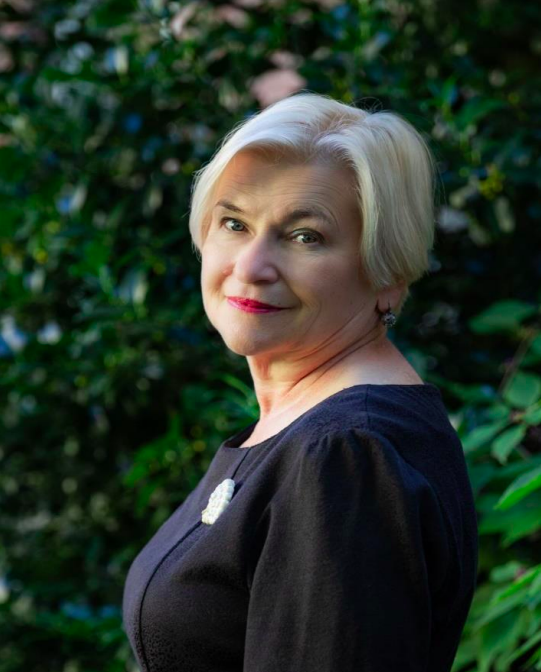
Tetiana Gardashuk, Dr. Hab. in Philosophy, the Head of the Department of Logic and Methodology of Science, H. Skovoroda Institute of Philosophy, National Academy of Sciences of Ukraine.
Tetiana is a co-founder of the National Ecological Center of Ukraine (1991); a Member of the European Sustainable Use Network (ESUG) from 1996, and a Gender Equality Officer for ESUG from 2023.
Tatiana completed a research internship at Iowa State University, USA (IREX, 1997), ITAS, Karlsruhe Institute of Technology, Germany (DAAD, 2013); NIAS-KNAW, Netherlands (1996; 2023-2024), and VUIAS (2023-2024).
Publications: individual monographs, chapters in books, scientific articles, and publications in media. Experience: teaching, participation in international conferences, environmental project management, and expertise. Awards: State Prize of Ukraine in Science and Technology, 2017; Ford Motor Company’s Conservation and Environmental Grants, 3rd Prize, 2002; Grant of Bureau of Education and Cultural Affairs of the US Department of State, 2000); Awards of the Donald Kuenen Foundation, The Netherlands, 1996, 1999–2000); Diploma and Medal of the National Academy of Sci. of Ukraine for Young Scientists (1992).
The field of scientific interest is the philosophy of science, eco-philosophy, bioethics, and environmental ethics. After 24 February Tetiana Gardashuk has been focusing efforts on the topic of the environmental impacts and nuclear threats of war, ecocide, and the methodology of environmental peacebuilding.